

Living by Natural Rhythms
Light, movement, food and rest are not a protocol. They are a rhythm our biology still expects, and the fastest way back to feeling human.
Almost everyone who stays here says a version of the same thing on the third morning: they slept. Not slightly better — properly, the way they remember sleeping in their twenties. It is tempting to attribute that to the quiet, or the air, or being on holiday. Those help. But the more likely explanation is duller and more useful: for three days their body has finally received the signals it has been waiting for.
Light is the master signal
Nearly every cell we have runs on a daily cycle, and the clock that coordinates those cycles is set primarily by light hitting the eye. Bright light early in the day tells the system when morning is. Dim, warm light in the evening tells it when the day is ending. Most modern life inverts this — grey indoor mornings, bright screens at eleven at night — and then treats the resulting tiredness as a personal failing.
Here the correction happens without effort. Breakfast is outside, so the morning light is unavoidable. There is no street lighting, so the evening is genuinely dark and the sky is genuinely full of stars. Two or three days of that resets a great deal.
Movement with a reason
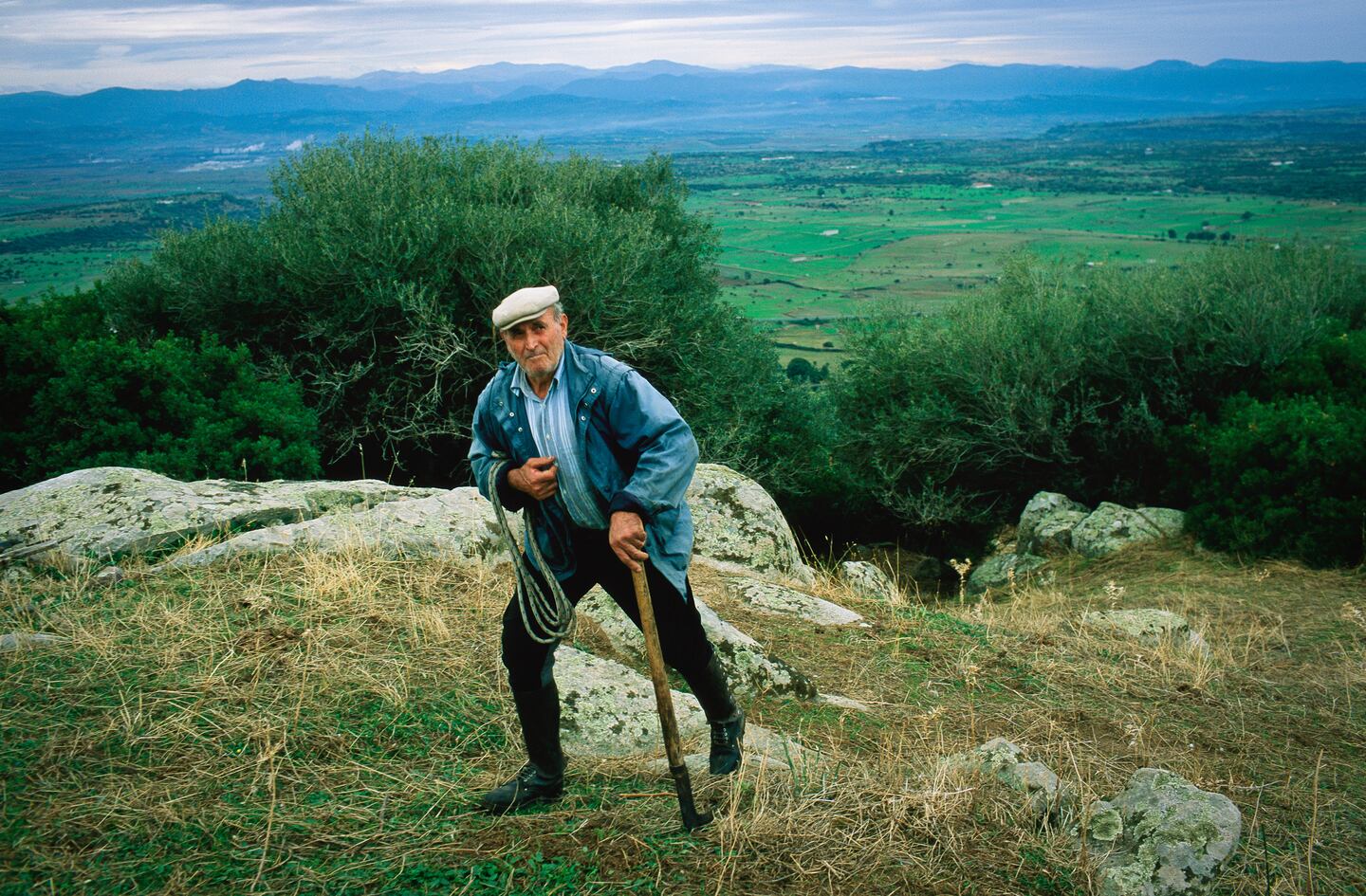
There is a difference between exercise and movement. Exercise is an hour that has to be defended against the rest of the diary. Movement is what happens when your day contains walking uphill, carrying things, bending down to pick something, and standing up again more times than you counted. Farm life produces the second kind almost accidentally, and it is the kind that holds up over decades.
We are not against training — there is a barn gym, and it gets used. But the base underneath it matters more: several hours a day of low-intensity movement, some of it in daylight, some of it on uneven ground.
Food on a schedule the body understands
Eating in daylight, finishing well before bed, and leaving a real gap overnight does more for how people feel than any specific diet we could design for them. Add food that was picked that morning and cooked without much intervention, and the effect compounds. The kitchen here is not a nutrition programme; it is a vegetable garden, a chicken run and someone with time.
Nothing here is a protocol. The rhythm simply makes the healthy version of the day the easiest one available.
Heat, cold, and stopping
Sauna in the evening and a cold plunge afterwards give the nervous system a clear edge between the working part of the day and the resting part. So does sitting outside doing nothing in particular, which is harder for most guests than the cold water. By the fourth day they manage it.
Taking it home
- Ten minutes of outdoor light within an hour of waking, before screens.
- One meal a day eaten slowly, without a phone on the table.
- Movement broken into the day rather than saved up for one session.
- Dim the house after sunset — lamps rather than ceiling lights.
- A weekly period with no plan in it at all.
None of it is remarkable, which is rather the point. If you want the wider idea behind it, read What Is Regenerative Living?
Related reading

What Is Regenerative Living?
Regeneration is not a lifestyle aesthetic. It is the simple question of whether the things you do each day leave you, and the place you live, in better condition than they found you.

Why We Created Monte Valeo, A Vision for Living More Human
A health scare, a long conversation and a hillside that would not let go. The story of why we chose to build something slower.

Why We Grow Our Own Food
From avocado terraces to the vegetable garden: what six hectares of regenerative farmland taught us about nourishment and patience.